







Master Corporate Event Venue Checklist for Business Planners
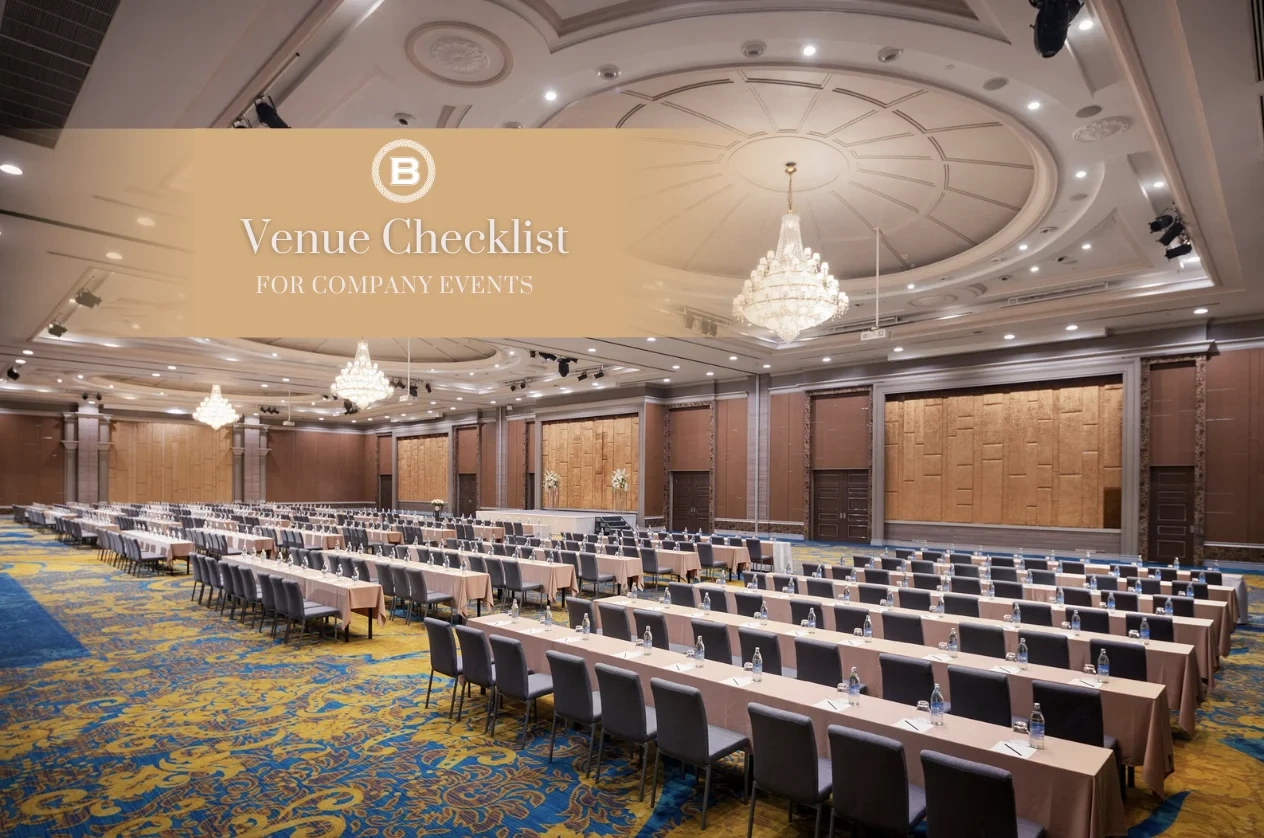



Selecting an ideal location sets the baseline for attendance, engagement, and operational success. Using a detailed venue checklist keeps corporate organizers organized, preventing costly surprises late in the process.
What Initial Event Requirements Should You Clarify Before Sourcing?
Clarifying basic operational parameters reduces total research time and ensures alignment across all stakeholders. Before touring sites, build a solid venue requirements checklist to evaluate candidate locations accurately.
1. Target Audience Alignment and Expected Attendee Count
Define participant profiles, total registration estimates, and overall event goals early. Having an accurate guest count prevents selecting spaces that leave attendees feeling cramped or underwhelmed by empty space.
2. Specialized Space Needs for Breakout Sessions and Networking
Determine whether your itinerary requires dedicated areas beyond the main presentation floor. Corporate programs frequently need separate rooms for workshops, presenter staging, panel preparation, or sponsor displays.
How Do Location and Accessibility Options Influence Attendee Turnout?
Convenient transit options directly improve overall attendance figures and guest satisfaction. Reviewing access points helps ensure seamless travel for both local participants and visiting teams.
1. Proximity to Airports, Major Highways, and Transit Routes
Choose a central destination reachable via major highways, expressways, and urban rail lines. Simple transit links minimize travel delays and ease overall logistics for out-of-town participants.
2. Parking Facilities and Neighboring Hotel Accommodations
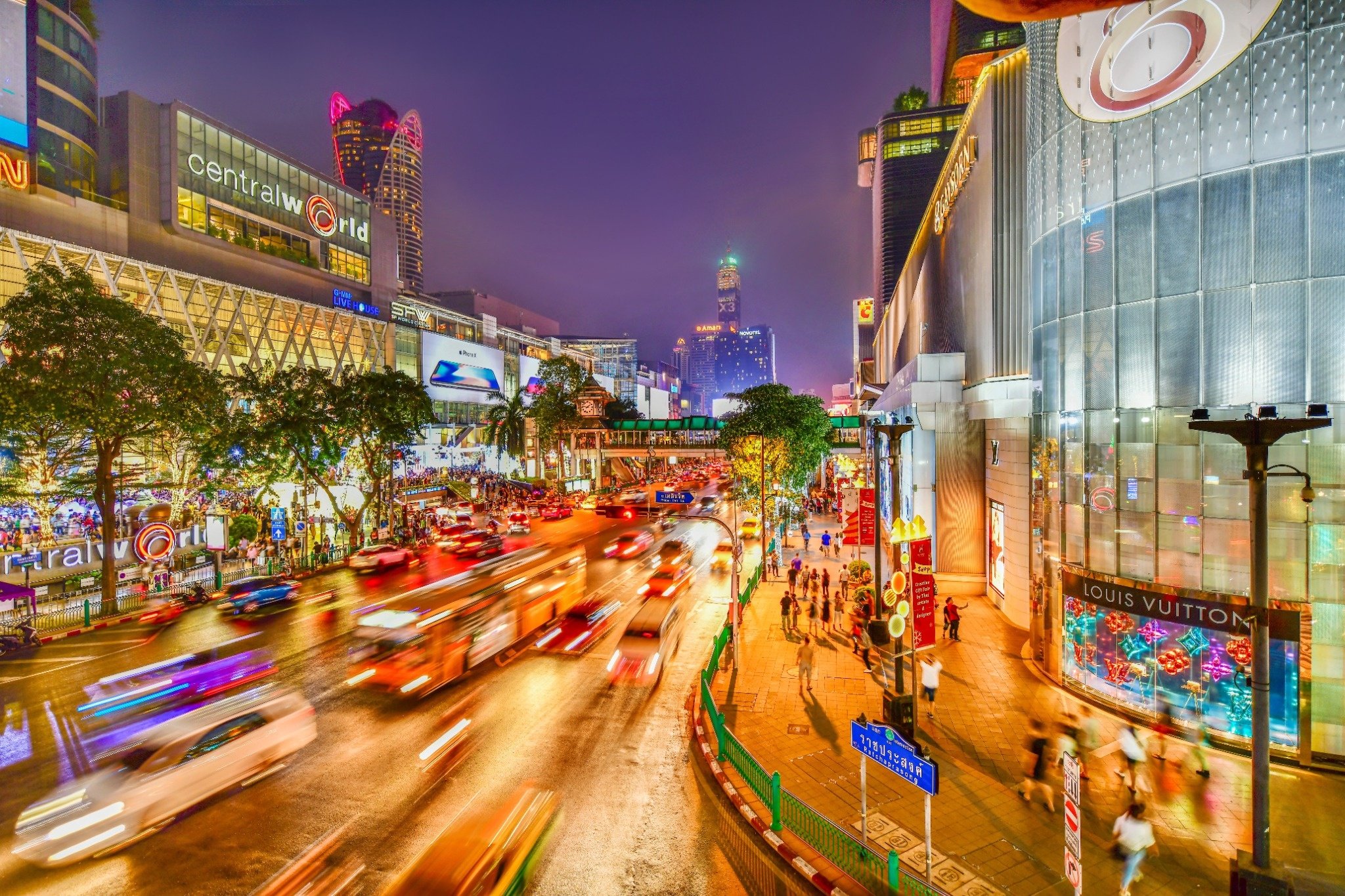
Ensure the property features adequate vehicle parking along with comfortable nearby rooms. Attendees traveling from afar benefit greatly when staying within walking distance of high-end retail, including a famous Pratunam shopping mall, or staying directly at a premier hotel near centralwOrld.
3. Physical Accessibility Features for Inclusive Gatherings
Verify that step-free pathways, wide ramps, clear elevators, and accessible restrooms exist throughout the facility. Inclusivity ensures all guests navigate the meeting space safely and without friction.
What Layout and Capacity Features Guarantee Guest Comfort?
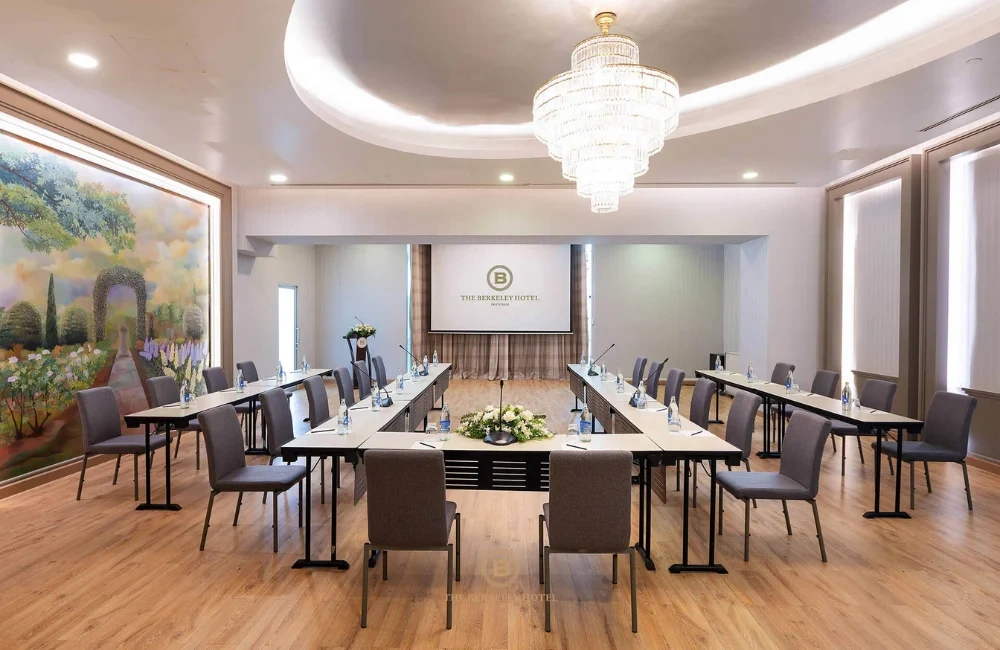
Matching room dimensions to specific meeting formats maintains guest comfort while protecting room flow.
| Layout Format | Space Allocation | Best For | Key Consideration |
| Theater Style | 10–12 sq ft per person | Keynotes, AGMs, Presentations | Requires clear sightlines to the main stage |
| Classroom Style | 18–20 sq ft per person | Workshops, Training Sessions | Demands adequate desk room for laptops/notes |
| Banquet Setup | 12–15 sq ft per person | Award Dinners, Galas | Needs wide paths between tables for catering staff |
| Exhibition / Trade | 50+ sq ft per booth | Trade Shows, Product Launches | Must support freight elevators and load-in zones |
Which Technical Capabilities and AV Logistics Must You Verify?
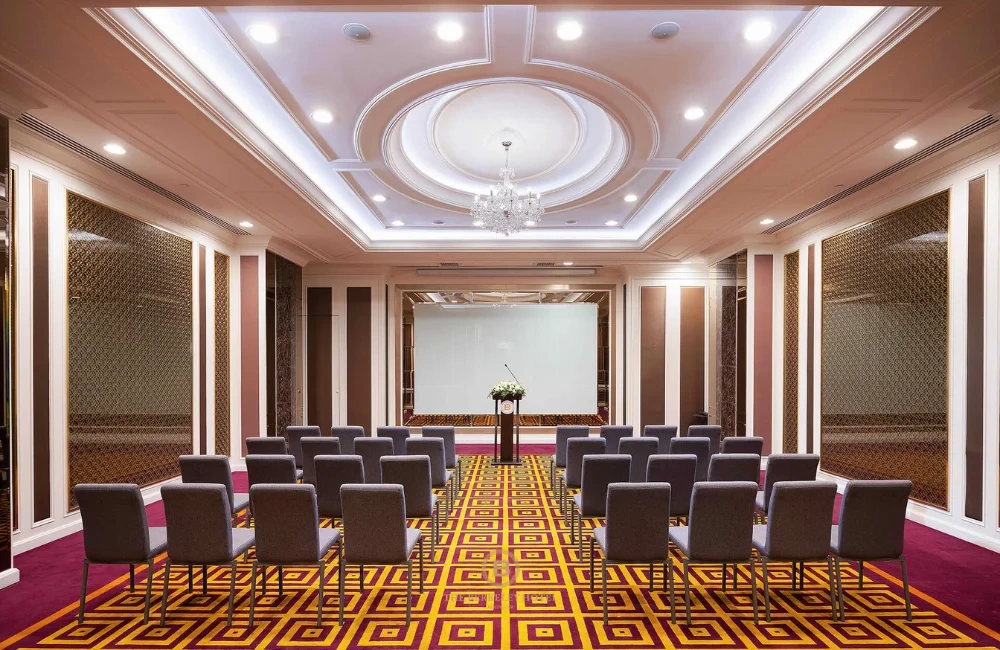
Reviewing the venue requirements for an event helps prevent technical delays on the day of the show:
- High-speed Wi-Fi capacity that supports simultaneous mobile devices and live streaming demands.
- Built-in audiovisual gear, including digital projectors, crisp displays, wireless microphones, and versatile stage lighting.
- On-site AV engineers available during setup and live sessions for rapid technical support.
- Adequate electrical outlets and well-placed extension access for vendor displays or attendee charging stations.
- Uninterrupted backup power systems to protect against sudden electrical outages.
How Do Catering Restrictions and Vendor Policies Impact Your Setup?
Food service policies and external supplier rules shape both timeline logistics and project budgets:
- In-house catering packages versus external vendor access guidelines and kitchen usage fees.
- Enforced food and beverage spending minimums along with clarity on how unused balances apply.
- Custom menu options capable of addressing dietary requirements, including vegetarian, vegan, or halal options.
- Specific rules regarding outside florists, specialized decorators, or custom furniture rentals.
- Defined load-in windows, loading dock access hours, freight elevator capacities, and staging areas.
What Contractual Terms and Hidden Costs Should You Evaluate?
Thorough contract audits protect organizational budgets from unexpected financial liabilities.
1. Full Cost Transparency and Service Fee Inclusions
Request detailed price quotes listing room rental rates, cleaning fees, security service costs, and energy surcharges. Itemized transparency prevents late budget additions.
2. Cancellation Policies, Overtime Rates, and Liability Requirements
Review force majeure clauses, deposit refund schedules, and hourly charges for late pack-downs. Confirm whether the facility supplies comprehensive liability protection or mandates supplementary event coverage.
How Do You Finalize Your Venue Preparation?
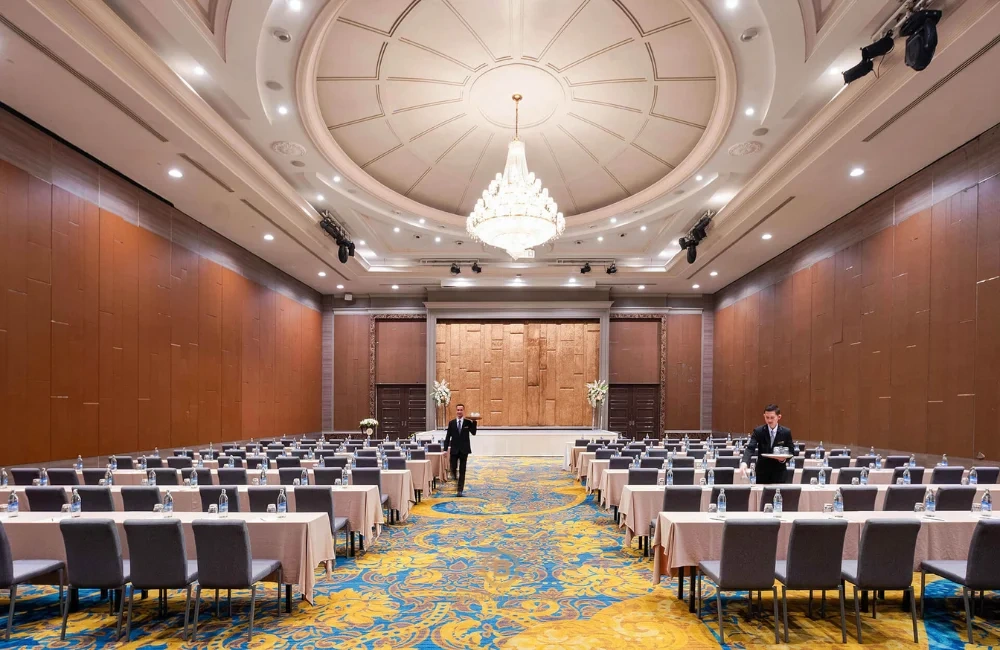
Complete a final walkthrough alongside property managers to verify lighting presets, test sound levels, and review safety access paths. Following a practical venue checklist for company event planning helps keep logistics running smoothly on event day.
For business planners seeking an exceptionally connected venue in central Bangkok, The Berkeley Hotel Pratunam provides versatile multi-function ballrooms, full-service catering, wedding packages, and cutting-edge AV systems. Located moments away from dynamic shopping hubs and steps from vibrant street life like a Bangkok night market, the hotel accommodates large corporate conferences and events tailored to your needs.
Frequently Asked Questions
1. How far in advance should a company book an event venue?
Large conferences usually require booking six to twelve months early, while smaller corporate meetings typically secure spaces three to six months ahead.
2. What hidden fees should planners watch out for in a venue contract?
Watch for compulsory service charges, tech support surcharges, cleaning fees, early load-in or late overtime penalties, and corkage fees.
3. How do food and beverage minimums work for corporate events?
A food and beverage minimum represents a guaranteed baseline spend on catering; falling short results in paying the full difference as a room fee.
4. What should be included in the final site visit checklist?
Test internet connectivity, double-check sound equipment, verify table distances, inspect emergency exits, and confirm point-of-contact details for event day.
Latest





Contact us





Top